




Homeowners get told two opposite stories about the same roof. One is the "lifetime" warranty. The other is that a roof is basically done at 15 years, especially once insurance and the IBHS research reports enter the conversation.
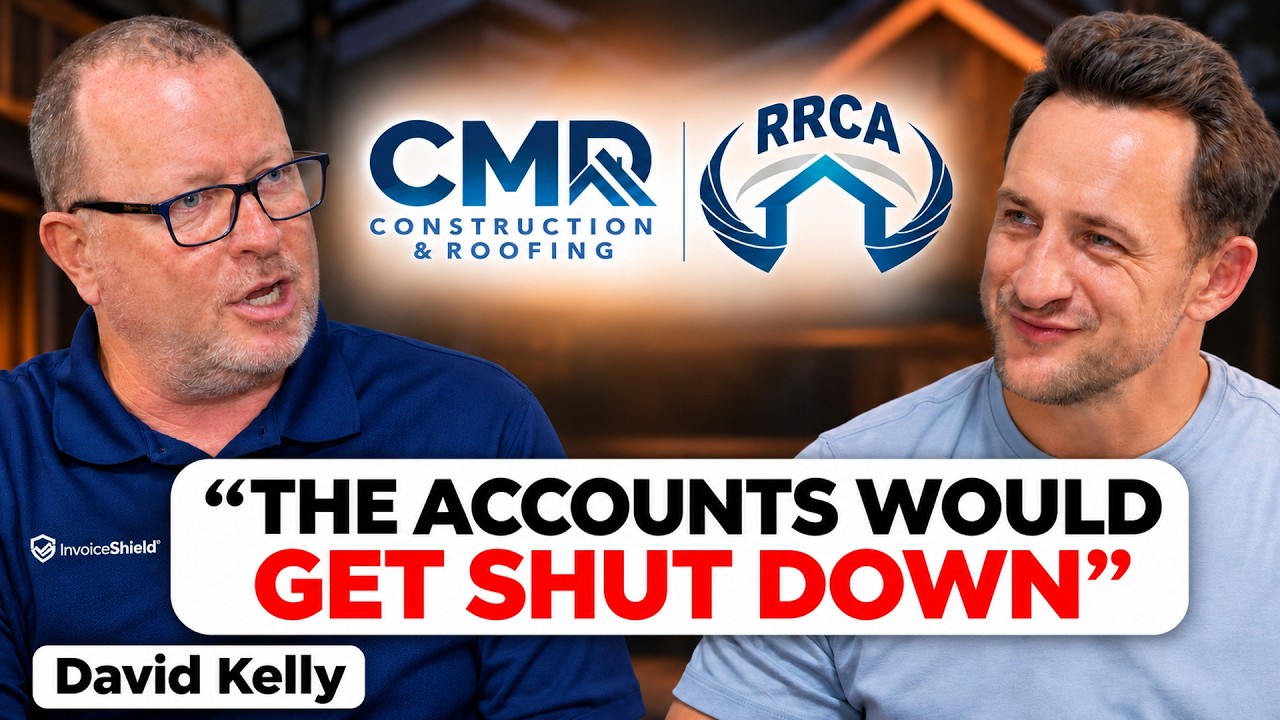
In this interview, David Kelley, a longtime storm restoration operator and former executive at RRCA and CMR, spends a full chapter on that tension. He does not sell a magic number. He talks about what he has actually seen on houses, including older roofs that are still doing their job, and newer ones that get replaced before they fail.
Watch the interview below, or skip to 51:50 for the 15-year debate, lifetime warranties, and why Kelley thinks the industry replaces too many roofs that did not need to come off.
Older roofs, in his experience, last longer
Dmitry asks a direct question: do roofs last as long as they used to, and is a 15-year cap reasonable?
Kelley starts with the homeowner's actual timeline. Most people move before a roof truly needs replacing, so the purchaser often treats the roof like the septic tank: it should just work. Then he makes a sharper claim.
"I see older roofs lasting longer. That is an absolute fact. Older shingles had a life that was longer periods. There's roofs in Nebraska that are 40, 50 years old and they're fine."
He also says three-tab roofs last longer, and Dmitry agrees that he has seen three-tabs "lasting forever." If it were Kelley's own house, his standard is simpler than a year count: he would not replace it until it was leaking.
That does not mean insurance will wait that long with you. Kelley is clear that losing coverage, or being pushed into a replacement because of age, changes the math even if the roof is still performing. Think of a car with 150,000 miles that could go to 300,000. The odometer is not the same thing as a failure.
"Lifetime" and "15 years" are not the same promise
Kelley remembers when GAF was the first company to offer a lifetime warranty, and the rest of the manufacturers followed. He has been through those warranty claims. His view of how long a roof "should" last is less about the brochure and more about two clocks:
"A roof lasts as long as the purchaser is going to own the home. That's the nature of it."
And, later: a roof lasts as long as the next hailstorm, or the next person who makes a case for a claim.
When the lifetime language comes up, especially around older buyers in markets like Naples, he has a stock reply.
"When they say, 'What about a lifetime warranty?' I always go, 'Whose lifetime? Yours or mine?'"
He also says he does not believe the products last as long as they are designed to. That is the uncomfortable middle of this debate. The marketing says lifetime. The insurance market is pushing back toward 15 years. The roofs Kelley has seen in the field do not sit neatly in either camp.
The 15-year cap, and roofs that get replaced too early
Does he hate a 15-year cap? No.
"I don't hate it. There's something that I see the logic where they're doing it."
He understands the IBHS and insurance argument as a pushback against lifetime claims, hail warranties, and wind warranties that rarely get filed with the manufacturer. Homeowners and contractors, he says, go after the insurance policy instead. Insurance, in turn, is drawing a line: after 15 years, the roof is a different kind of risk.
The part he will not soft-pedal is over-replacement.
"We do replace way too many roofs that should not be... that didn't need replacing."
He tells a family story from Ohio. A friend repaired his sister's roof. The neighbors got new roofs. She was denied and ended up angry that she had done the conservative thing. Kelley uses that to argue that two houses next to each other, with the same insurance company, should not come out with opposite decisions. His broader point for homeowners is not "never file a claim." It is that a repair can be the right work, and the system is not always built to reward it.
If he were buying a roof for himself, he says he would get a standing seam metal roof, not because it is the only good option, but because it is a long-term one. He also mentions slate and other high-end systems as the most expensive route. The material choice matters. So does the person you hire to install it, and the reason they are telling you the roof has to come off.
If you are being told you need a new roof, slow down
A sales pitch after a storm can sound a lot like a fact. It is not always a fact. Before you sign, get a second look from a qualified roofer who will talk about repair versus replacement, not just the size of the claim.
Directorii is built for that step. It is a directory of qualified local contractors, and jobs booked through Directorii are backed by a $30,000 guarantee. That does not decide whether your roof should last 15 years or 40. It does give you a better shot at hiring someone who will tell you the truth about the roof you already have.
If a contractor wants a large deposit before any work starts, read how to protect your deposit if a roofing company goes under first.
The same interview also goes deep on the contractor side, including why big roofing companies are collapsing and how suppliers overcharge on invoices. Those pieces are written for contractors. This one is for the homeowner who is trying to tell a real roofing problem from a calendar date.
Need a second opinion on whether your roof should come off?
If your roof is being called out because of age, not because it is leaking or clearly failed, get a second opinion from a qualified roofer before you authorize a full replacement.
Need a roofer you can trust? Find qualified roofers near you on Directorii, backed by a $30,000 guarantee.