




.png)

Why Price Increases Are Likely
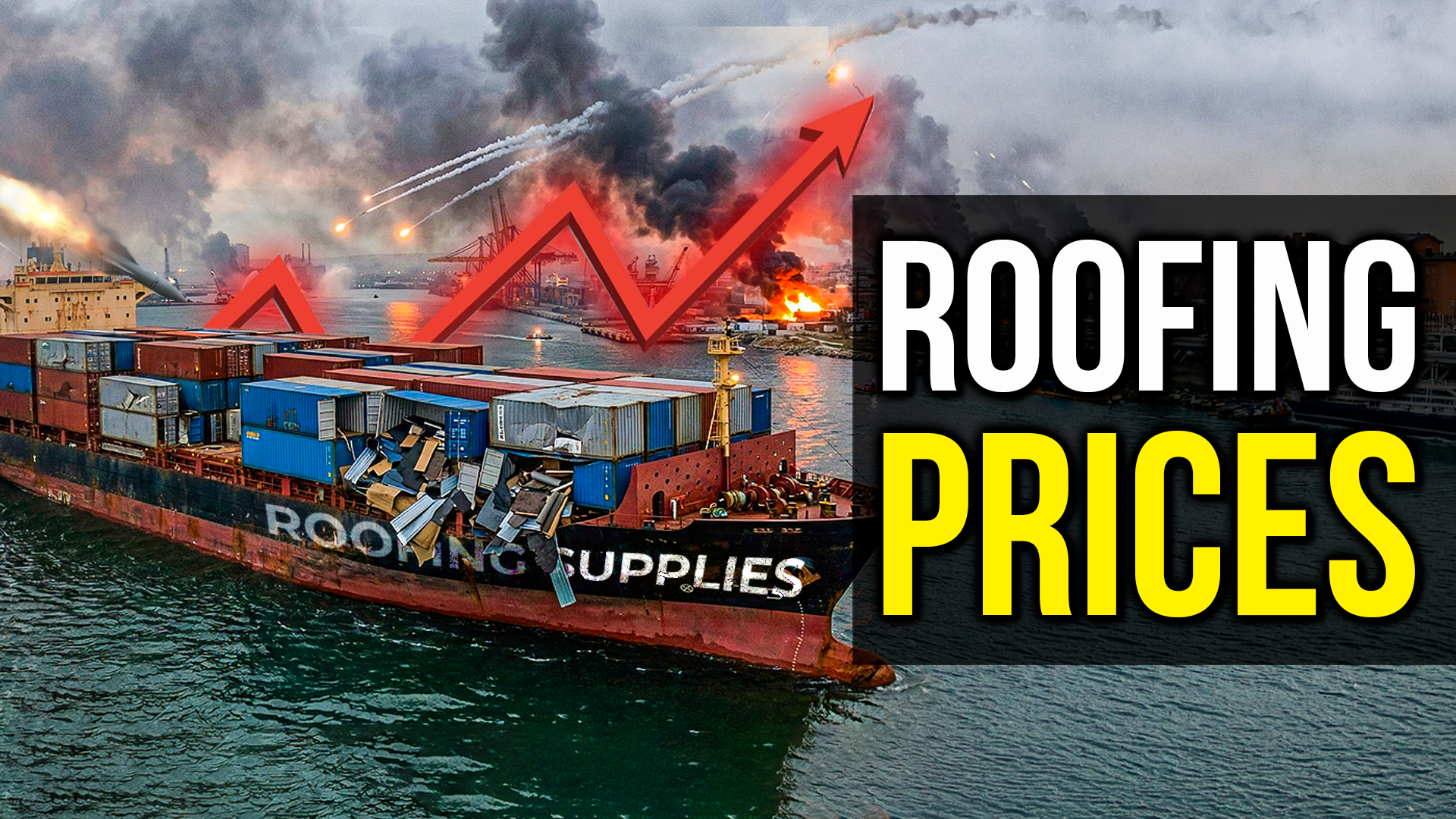
The Iran war is creating new risk for roofing material prices, even if the full impact has not hit yet.
The biggest reason is energy. As oil prices rise, roofing products tied to petroleum become more vulnerable. That includes asphalt shingles, modified bitumen, synthetic underlayments, sealants, adhesives, coatings, and some insulation products. Multiple reports cited the Strait of Hormuz disruption as a major reason oil and fuel markets are tightening, with crude prices climbing sharply after the conflict escalated.
That matters because roofing costs do not move on raw materials alone. Higher oil and diesel prices can also raise manufacturing, packaging, and freight costs. Even if a product is made in the U.S., contractors can still get hit by higher transportation costs and supplier surcharges.
Shipping is another concern. Supply-chain experts say the conflict is adding pressure to lead times, insurance costs, and shipping routes. For roofers, that could mean delays or added cost on component-heavy products, accessories, and specialty materials, even when core materials remain available.
Metal products are also worth watching. Industry sources say steel and aluminum could face higher production and transport costs if the conflict drags on, which could affect metal roofing, edge metal, gutters, and fabricated components.
The timing is important because construction pricing was already unstable before the war. ABC reported that construction input prices rose in January, while construction employment and backlog data showed a softer market heading into spring. In other words, the industry was already dealing with pressure before oil volatility and new shipping risks were added to the mix.
TDLR;
The bottom line: roofing prices are not guaranteed to spike overnight, but the risk is real. The products most exposed are the ones tied to petroleum, chemicals, freight, and global supply chains. Contractors should watch supplier notices, fuel prices, and lead times closely, because margin pressure can show up fast even before a formal price increase is announced.